

True land stewardship begins with recognizing that agricultural land is a living asset requiring continuous, skilled attention rather than passive holding.
In conventional land ownership, individuals often purchase rural land with aspirations of organic farming, only to encounter the complex operational realities of agrarian management: labor shortages, irrigation logistics, pest management, and seasonal crop failures. Without resident expertise, fertile parcels frequently lie fallow.
The Managed Farmland Model
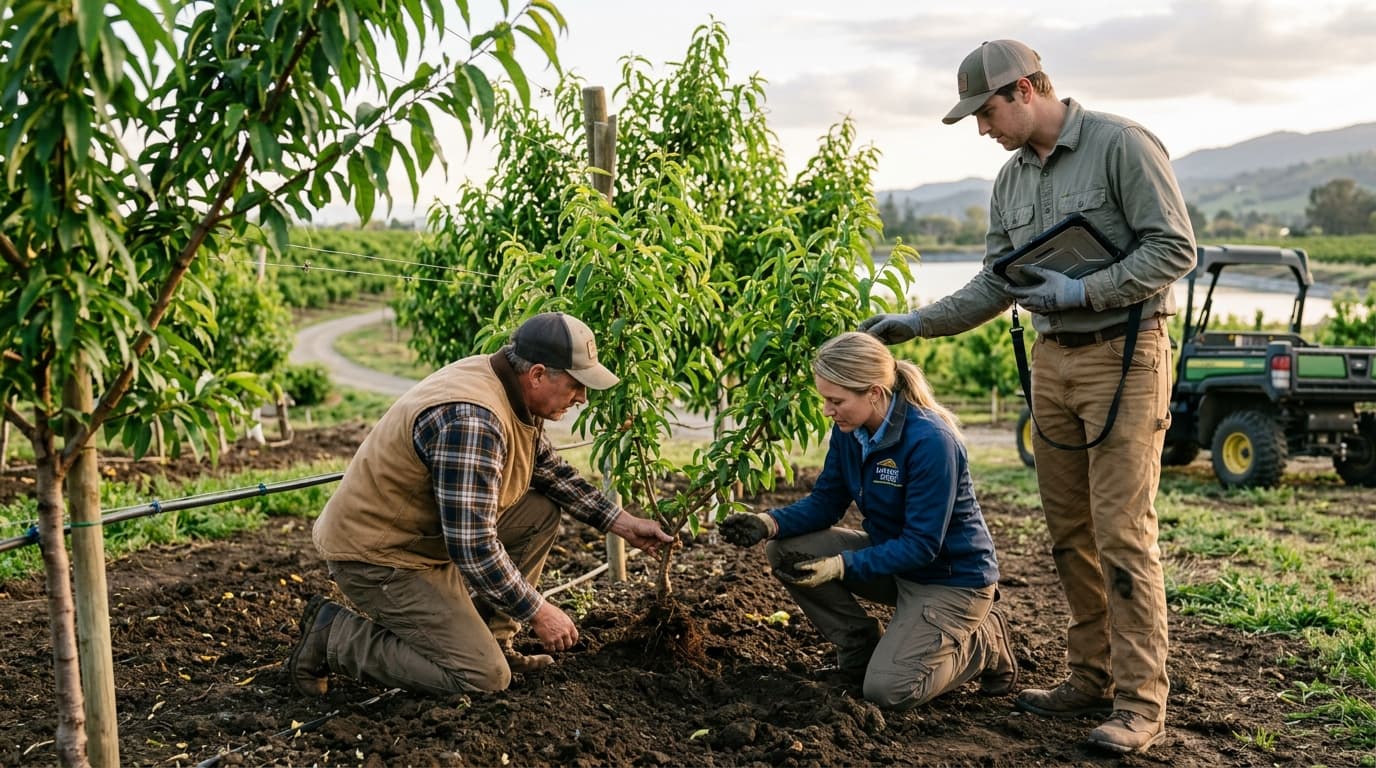
Managed farmland resolves this operational disconnect. Landowners secure clear, individual legal titles to designated parcels, while professional agricultural managers oversee ongoing soil enrichment, crop cycles, and irrigation maintenance on their behalf.
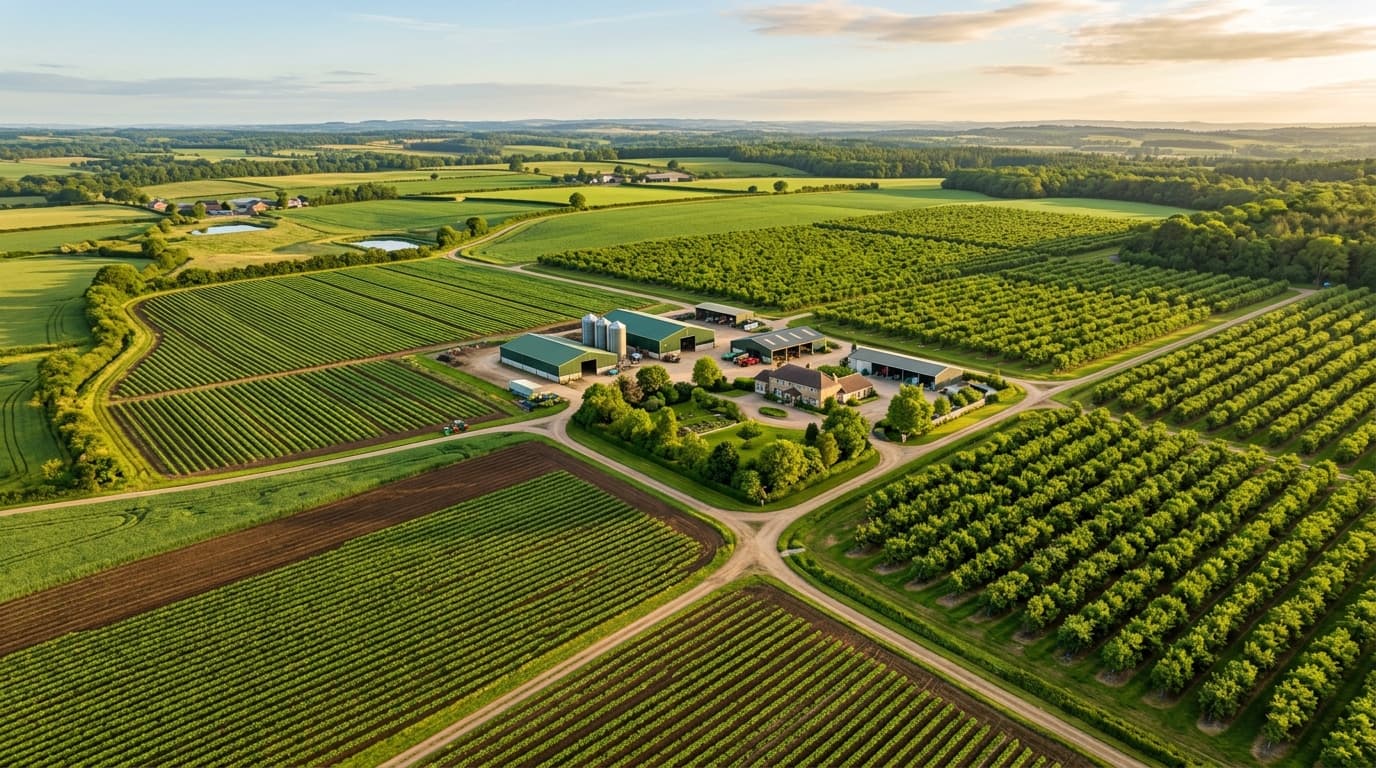
Ownership remains strictly individual and titled, while farm operations are managed collectively under seasoned agricultural leadership to achieve economies of scale and sustainable yields.
Key Dimensions of Stewardship
- Precision drip irrigation networks aligned with topographical contour elevations
- Regenerative soil biology amendments including indigenous microbial inoculants
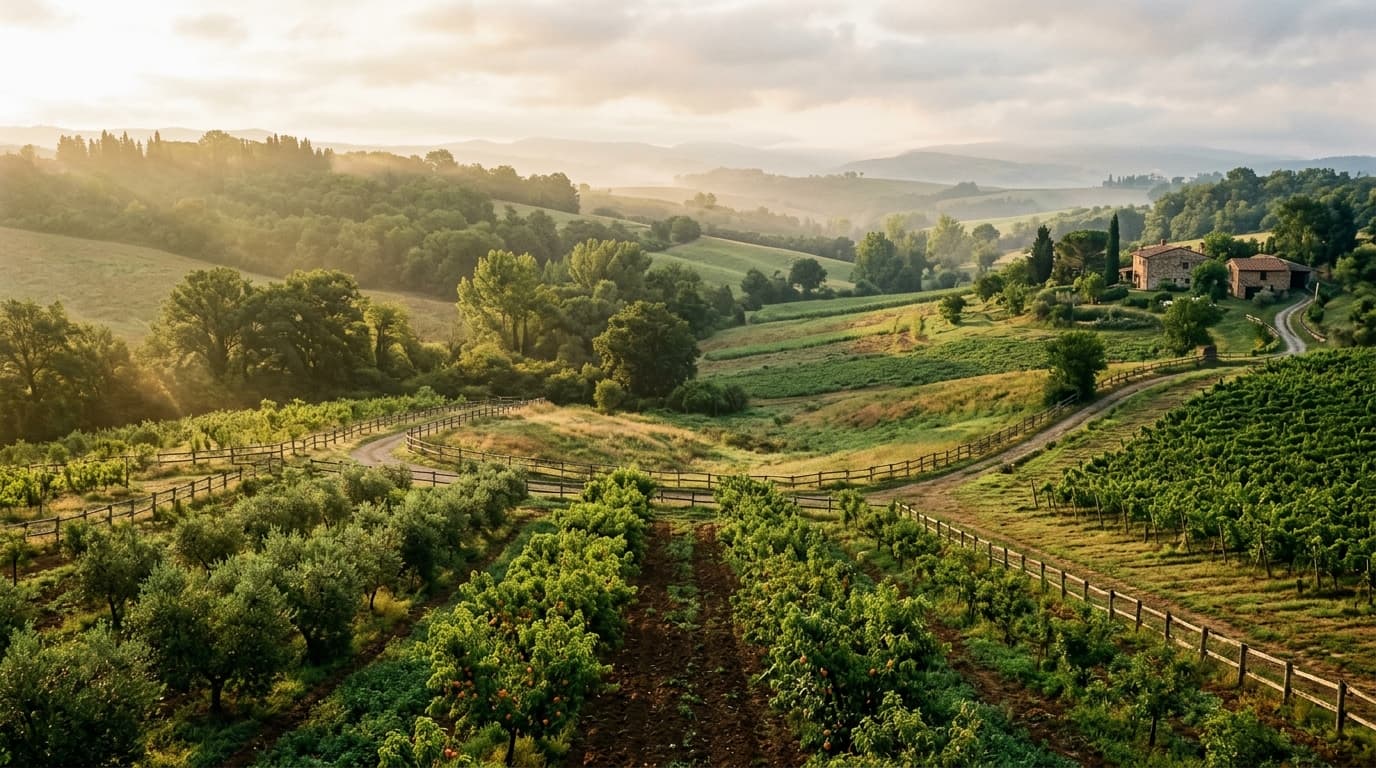
- Multi-tier agroforestry layouts that balance fruit cultivation with native canopy belts
- Transparent operational reporting on harvest yields and soil carbon progression
“Managed farmland is not a speculative investment. It is the conscious alignment of titled land security with professional agrarian stewardship.”
By pairing titled security with continuous scientific care, managed farmland enables urban families to participate in the agricultural renewal of the rural landscape without compromising their professional lives.